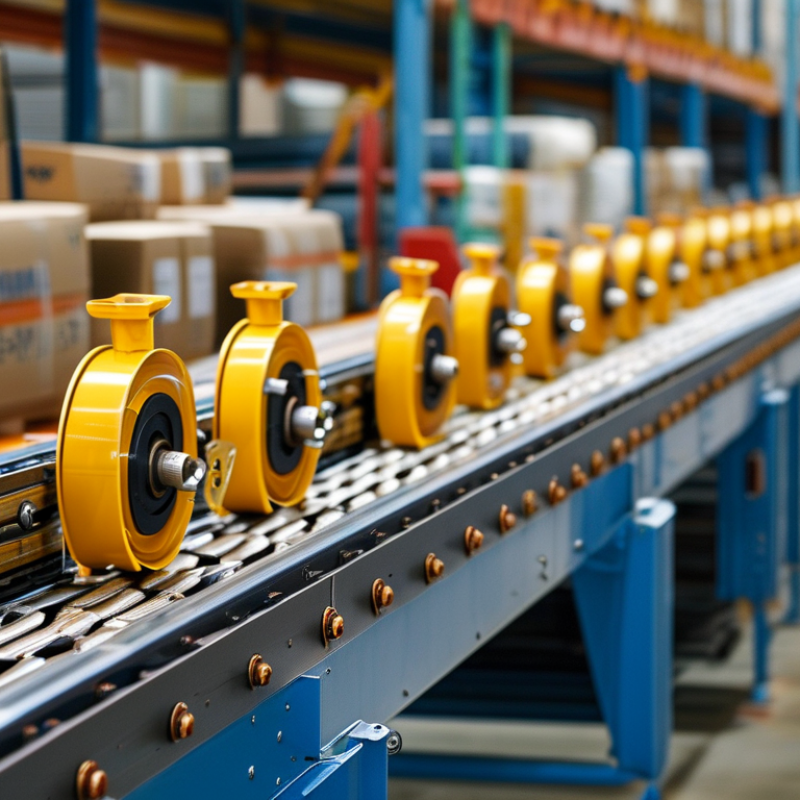
What to Know About Chain Rod Belt for Global Sourcing?
When exploring global sourcing, understanding the Chain Rod Belt is crucial. This component is essential in various manufacturing sectors. Its role in efficient material handling cannot be overlooked.
The Chain Rod Belt connects machinery, ensuring smooth operation. This belt enhances productivity by providing reliable transport solutions. Choosing the right Chain Rod Belt can reflect a company's commitment to quality and performance. Experience in sourcing this item can lead to significant cost savings and operational improvements.
However, not all suppliers are equal. It's essential to research vendors thoroughly. Quality varies, which can impact operations negatively. Identifying reliable sources for Chain Rod Belts is a vital step in global sourcing. Evaluating potential partners may require additional effort, but this is necessary for sustaining a competitive edge.
Overview of Chain Rod Belt and Its Applications in Global Sourcing
Chain rod belts are crucial components in various manufacturing and industrial processes. They are used for material handling and transportation systems. These belts feature a series of rods connected in a chain-like structure, which allow for flexibility and adaptability in operations. Their design supports a smooth flow of materials, even in challenging environments.
In global sourcing, the importance of chain rod belts cannot be understated. They are applied in industries ranging from agriculture to automotive. Their durability makes them suitable for heavy-duty applications. However, sourcing these components requires careful evaluation. Factors such as quality, compatibility, and supplier reliability are essential. Considering the diverse environments where they are used, it's vital to reflect on the unique requirements of different industries.
Despite their advantages, challenges exist. Sourcing chains can be disrupted due to geopolitical factors or supply chain issues. Engaging with multiple suppliers can mitigate risks, although this may complicate logistics. Therefore, companies should invest in understanding not just the products but also the manufacturing practices behind chain rod belts.
Key Advantages of Using Chain Rod Belts in Manufacturing Processes
Chain rod belts are gaining traction in various manufacturing processes. Their design allows for efficient material handling under severe conditions. In industries like automotive and food production, these belts excel in transporting heavy loads, even at high speeds. According to a recent report by MarketsandMarkets, the global market for conveyor systems, including chain rod belts, is projected to grow from $7.6 billion in 2022 to $10.2 billion by 2027.
One of the key advantages of chain rod belts is their durability. They can withstand harsh environments, such as extreme temperatures and humidity. Research indicates that businesses using advanced modular conveyor systems, which include chain rod belts, report up to a 30% increase in operational efficiency. These belts also require less maintenance compared to traditional systems, reducing downtime and operational costs.
Another appealing feature is flexibility. Chain rod belts can easily adapt to different manufacturing settings. This makes them suitable for various applications, including heavy material transportation and intricate assembly lines. Despite these benefits, implementation costs can be high initially, and some businesses may hesitate to adopt this technology. Addressing these challenges is essential for manufacturers looking to optimize their operations.
Considerations for Sourcing Quality Chain Rod Belts Globally
Sourcing quality chain rod belts globally requires careful consideration. The industry is worth billions, with the global belt market projected to grow at a CAGR of 3.2% between 2022 and 2029. This growth emphasizes the importance of robust supply chain strategies. Assessing supplier reliability is crucial. Many buyers overlook supplier audits, leading to quality assurance failures.
When sourcing, prioritize material quality. Reports show that up to 30% of operational inefficiencies stem from subpar materials. This impacts productivity and costs. Evaluate whether suppliers meet industry standards. Certifications can indicate reliability, yet they are sometimes misleading. Conduct thorough research to ensure compliance.
Tip: Always request samples before placing large orders. This gives insight into the material and craftsmanship.
Consider logistical factors as well. Delivery timelines and shipping costs can vary widely among suppliers. Poor planning in this area can disrupt operations. Be sure to have contingency plans.
Tip: Develop relationships with multiple suppliers to mitigate risks. A diverse supplier base can enhance flexibility and reliability.
Factors Affecting the Cost and Availability of Chain Rod Belts
When sourcing chain rod belts, several factors impact both cost and availability. The material selection plays a vital role. High-quality materials usually drive higher costs but ensure durability. Cheaper materials may save money initially but can lead to unexpected failures.
Manufacturing locations also influence prices. Countries with lower labor costs may offer cheaper belts. However, the trade-off could be lower quality. Shipping logistics and tariffs can further complicate the picture. Delays in transit may affect availability, creating additional costs for supply chain management.
Supplier relationships contribute to pricing strategies. Reliable suppliers often provide stability in availability. However, depending solely on one supplier can be risky. Diversifying sources might elevate costs slightly but can ensure steadier supply. It's crucial to evaluate these factors carefully to make informed decisions in global sourcing.
Best Practices for Selecting Suppliers of Chain Rod Belts in Global Markets
When selecting suppliers for chain rod belts in global markets, it's crucial to prioritize reliability. A reliable supplier ensures consistent quality and timely delivery. This is vital for manufacturers who depend on these components for their production lines. Researching potential suppliers can reveal their track record. Look for reviews and testimonials that highlight their strengths and weaknesses.
Next, consider the supplier's technical expertise. A knowledgeable supplier understands the specifications of chain rod belts. They should provide insights into material choices and customization options. Engaging in discussions about application needs helps assess a supplier's grasp of industry demands. Interactions can reveal whether they are genuinely invested in your success.
Don't overlook the importance of communication. Strong communication channels foster better collaboration. Ensure that the supplier can respond promptly to inquiries and concerns. This also nurtures a sense of partnership. A robust relationship with the supplier can lead to better pricing and more favorable terms over time. Remember, an initial price might be attractive, but long-term reliability is often worth the investment.