2026 Best On Off Actuator Options for Global Buyers?
The global demand for reliable On Off Actuator options is rapidly increasing. As industries seek efficient automation solutions, selecting the right actuator can be challenging. This guide highlights the top choices available in 2026, catering to diverse needs and applications. Each actuator offers unique features that can significantly impact performance.
On Off Actuators play a crucial role in controlling processes across various sectors. From manufacturing lines to HVAC systems, their efficiency defines operational success. However, buyers often face difficulties identifying the best options. This article aims to provide insights into the latest technologies and market trends.
Choosing the right actuator involves understanding specific requirements. Details such as torque, response time, and durability must not be overlooked. While this guide presents expert recommendations, the decision ultimately rests on the individual use case. Reflecting on past selections can provide a clearer path to informed choices in the future.
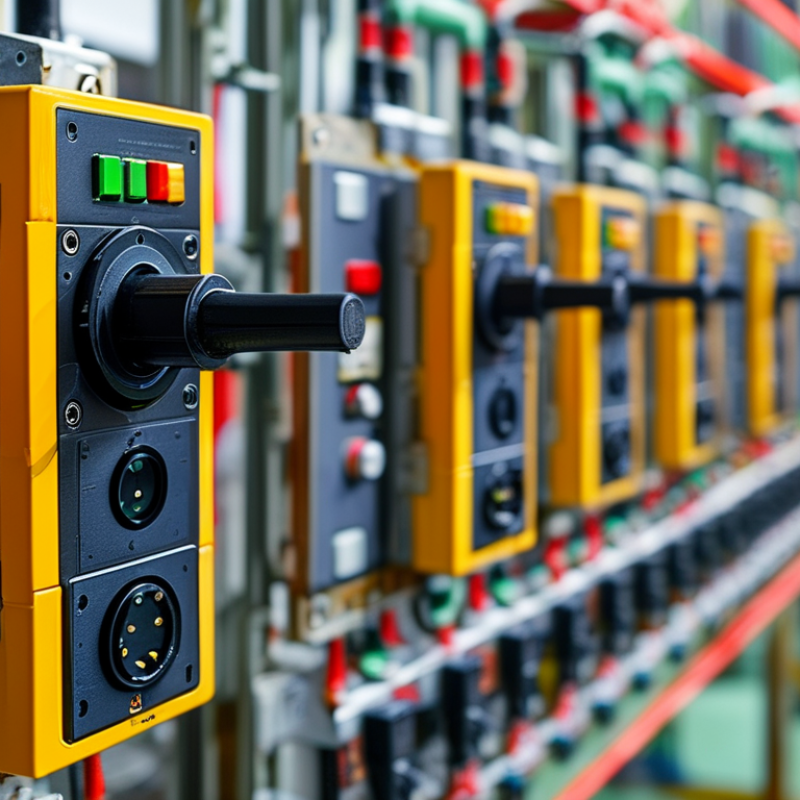
Overview of On-Off Actuators in Global Markets
On-off actuators play a crucial role in various industries. They offer a simple yet effective way to control processes. In global markets, their demand is growing rapidly. Buyers are looking for reliability and performance. Different sectors, like manufacturing, automotive, and HVAC, rely on these devices.
When choosing an actuator, consider the environment where it will be used. Industrial settings may require rugged options. A delicate application might call for precision over strength. Evaluating the specific needs can lead to better choices.
Tips: Look for products that provide clear specifications. Understanding torque, speed, and position control is essential. Consult technical experts when in doubt. They can help guide your selection process and avoid costly mistakes down the line. Remember, not every actuator suits every project. Prioritize your application before making decisions.
2026 Best On Off Actuator Options for Global Buyers
| Actuator Type | Control Method | Power Source | Maximum Torque (Nm) | Operating Temperature (°C) | Application Area |
| Electric Actuator | On/Off | Electric | 50 | -20 to 60 | HVAC Systems |
| Pneumatic Actuator | On/Off | Compressed Air | 80 | -10 to 80 | Industrial Automation |
| Hydraulic Actuator | On/Off | Hydraulic Fluid | 200 | -20 to 100 | Construction Machinery |
| Servo Actuator | On/Off | Electric | 30 | -10 to 70 | Robotics |
| Geared Motor Actuator | On/Off | Electric | 55 | -20 to 60 | Conveyor Systems |
Types of On-Off Actuators: A Comparative Analysis
On-off actuators play a crucial role across various industries, automating processes with precision. They convert electrical signals into mechanical movement, offering efficiency in applications like HVAC, automotive, and manufacturing. A recent industry report revealed that on-off actuators account for approximately 40% of the entire actuator market. This underscores their significance in automation strategies.
There are several types of on-off actuators available today, each tailored to specific applications. Pneumatic actuators are popular for their quick response times and low maintenance. They are ideal for environments requiring rapid operation. Conversely, hydraulic actuators provide higher force but can involve a more complex installation and maintenance process. Electric actuators are favored for their ease of control and integration into existing systems. However, their performance may vary based on load and speed requirements.
Selecting the right actuator depends on application specifics. Each type has unique benefits and drawbacks. For example, pneumatic actuators can be less reliable in extreme temperatures. Electric actuators might experience wear over time. Users need to assess these factors carefully. Balancing performance, cost, and reliability is essential for optimal operation.
Key Features to Consider When Selecting Actuators
When selecting actuators, several key features demand careful attention. The size and weight of the actuator greatly influence installation and application flexibility. For example, compact designs enhance their integration into limited spaces. This factor is crucial for industries where environmental constraints are present, such as automotive or aerospace sectors. According to a market report, over 30% of actuator failures arise from improper sizing.
Another crucial consideration is the actuator's operating environment. Depending on where it will be deployed, aspects like temperature, humidity, and exposure to contaminants are vital. Standard actuators may fail in harsh conditions. The International Actuator Federation reports that environmental factors can reduce actuator lifespan by up to 15%. Understanding these conditions can help buyers avoid unexpected downtimes.
Control methods are also a key feature. Buyers should determine if they require digital or analog controls based on their system sophistication. Advanced control systems can offer enhanced precision. However, they also introduce complexity and cost. Balancing these aspects can lead to better decision-making. Most users often overlook these details, leading to suboptimal performance. Analyzing control needs before making a purchase is essential for achieving desired outcomes.
Top Manufacturers and Their Offerings in 2026
In 2026, the on-off actuator market is projected to reach significant growth. Recent industry reports indicate a compound annual growth rate (CAGR) of 6.5% from 2023 to 2026. This growth reflects the rising demand across industries like automotive, aerospace, and manufacturing. Key manufacturers are adapting to this demand with advanced designs and technologies.
Leading companies are focusing on creating efficient actuator solutions. They emphasize precision, reliability, and durability in their offerings. Reports suggest that electric and pneumatic actuators are experiencing high adoption rates. Many buyers are particularly interested in actuators that offer energy efficiency. Integrating IoT technology is becoming a standard among top developers, ensuring smarter operations.
However, not all manufacturers are keeping pace. Some still rely on outdated technologies, which can lead to inefficiencies. The market expects innovation, yet there are concerns about the speed of adoption. Reports highlight that the integration of automation and precision still presents challenges for many firms. This underscores the need for continuous improvement and strategic adjustments in the manufacturing process.
2026 Best On Off Actuator Options for Global Buyers
This chart represents the estimated market share of on-off actuators across various applications in 2026. The data reflects a range of applications including industrial automation, automotive, and HVAC systems, showcasing the diverse usage and demand for these actuators globally.
Future Trends in On-Off Actuator Technologies
The future of on-off actuator technologies promises exciting advancements. These small devices, vital in various industries, will see significant improvements. Emerging materials are making actuators lighter and more durable. Innovations such as smart actuators are becoming more common. They integrate sensors to enhance performance and energy efficiency.
Tips: Consider the environment when selecting materials. Composite materials are often lighter. They also provide better resistance to harsh conditions.
Another trend is increased automation. The integration of artificial intelligence will enable actuators to adapt to real-time data. This shift aims for precision and reliability. However, the challenge lies in ensuring that these advanced systems remain user-friendly.
Tips: Keep an eye on industry standards. They evolve quickly with new tech. Staying updated can prevent integration issues.
Data security is also paramount. As actuators connect to systems, protecting sensitive information is crucial. A robust cybersecurity approach will be essential. Reflecting on these trends reveals both opportunities and challenges ahead.

