Best Offset Printing Inspection Techniques for Quality Control?
In the realm of Offset Printing Inspection, ensuring print quality is paramount. Industry expert John Smith once stated, “Quality control in printing is not just a process; it's a commitment to excellence.” This sentiment captures the essence of why effective inspection techniques are crucial.
Offset printing plays a vital role in modern publishing. With the rise of digital platforms, the print industry faces immense pressure to uphold high standards. Inspection techniques must evolve to keep pace with these demands. Utilizing advanced technologies and traditional methods together can enhance the efficacy of Offset Printing Inspection.
However, achieving perfection is challenging. Often, even the best systems expose flaws in print quality. For instance, color mismatches or smudged inks may go unnoticed at first. This highlights the need for continuous improvement. By reflecting on shortcomings, the industry can develop more reliable inspection processes. Quality control should be an ongoing journey, not just a destination.
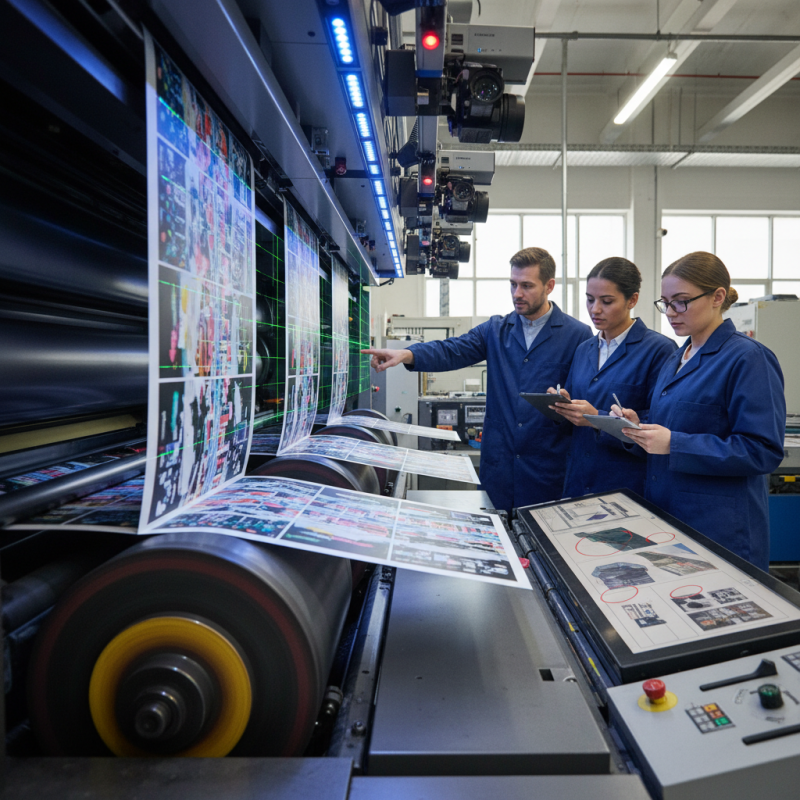
Understanding Offset Printing and Its Importance in Quality Control
Offset printing is a widely used method for producing high-quality printed materials. This technique involves transferring ink from a metal plate to a rubber blanket, and then onto the desired substrate. The process ensures vibrant colors and sharp images, making it essential in industries like publishing, advertising, and packaging. Quality control in offset printing is crucial to maintain the integrity of the printed product. Even the slightest flaw can compromise the final output, leading to unsatisfactory results.
Understanding the intricacies of quality control in offset printing is imperative. Inspecting plate alignment and ink consistency helps prevent printing defects. Routine checks on color accuracy and registration are essential. However, human error can sometimes lead to oversight. A minor misalignment can result in blurry images or inconsistent colors. Utilizing checkpoints during the printing run can help catch inconsistencies early. One can actively engage machines that monitor ink viscosity, but they may not capture every issue.
Training staff to recognize potential problems improves the control process. Knowledge of common pitfalls and their implications can enhance quality. Empowering employees to address challenges as they arise fosters a conscientious work environment. Although advanced equipment plays a role, human expertise is invaluable. Balancing technology and human skill can lead to better quality outcomes in offset printing.
Best Offset Printing Inspection Techniques for Quality Control
This chart illustrates the effectiveness of various offset printing inspection techniques in ensuring quality control. The data reflects the percentage of issues detected by each technique during the quality assurance process.
Common Defects in Offset Printing and Their Impact on Quality
Offset printing is a widely used technique in the printing industry. However, it can lead to various defects that compromise print quality. Common issues include color variations, misalignment, and ink smudging. These defects not only affect aesthetic quality but can also have financial repercussions. According to a report from the Printing Industries of America, nearly 30% of printed jobs face rejection due to such defects. This indicates a significant need for stringent quality control measures.
Tips: Regularly monitor ink viscosity and adjust as necessary. Consistent checks can prevent ink smudging, which is vital for maintaining print clarity.
Another common defect is color inconsistency. This occurs when the same print job appears differently across sheets. A survey by Smithers Pira found that 57% of printers experienced color variation issues. Such problems can harm client trust and brand reputation. Ensuring that calibration settings are in check before runs can help mitigate this issue.
Tips: Utilize a color management system to maintain consistent colors through different batches. It helps in aligning expectations and results.
Offset printing demands attention to detail. Even small defects can result in dissatisfaction from clients. Understanding common defects and implementing thorough inspection techniques can greatly enhance overall quality control.
Essential Inspection Techniques for Effective Quality Control in Printing
In the world of offset printing, maintaining quality is crucial. A report by the Print Quality Research Institute noted that 30% of printed materials face issues due to inadequate inspection processes. Effective quality control requires essential inspection techniques to minimize defects.
Visual inspections form the backbone of quality control. Operators examine prints for color accuracy and alignment. However, this method is subjective and prone to human error. According to industry studies, nearly 20% of defects go unnoticed during manual checks. Employing automated systems can reduce this oversight.
Another vital technique is the use of color measurement tools. These devices quantify color discrepancies with precision. Consistent color quality is essential, as 70% of consumers judge print quality primarily on color fidelity. Regular calibration of these tools is necessary; otherwise, inaccuracies can arise.
While these methods improve detection, achieving flawless prints remains a challenge. Continuous refinement and training are essential to enhance inspection outcomes.
Integrating Technology in Offset Printing Inspection Processes
The integration of technology in offset printing inspection has transformed how quality control is conducted. Advanced imaging systems, like high-resolution cameras, can capture minute details on printed materials. These systems detect color variations and misalignments quickly, ensuring the final product meets required standards. Additionally, utilizing artificial intelligence can enhance error detection. AI algorithms learn from previous inspection data, increasing their accuracy over time.
However, relying heavily on technology has its pitfalls. Machines can occasionally misread data or overlook subtle defects that a trained eye might catch. It’s essential to balance machine-led inspections with human oversight. Skilled operators play a crucial role in validating the findings from automated systems. Their experience helps in providing context that technology alone may miss. Regular training sessions can keep the human element sharp, ensuring that the team can effectively respond to any discrepancies noted by automated inspections.
Best Practices for Continuous Improvement in Offset Printing Quality
In the offset printing industry, continuous improvement is essential for maintaining high-quality standards. A recent report from Smithers found that 80% of print defects arise from inadequate quality control processes. Identifying and addressing these flaws requires a comprehensive approach to quality assessment.
One effective technique is to implement real-time inspection systems. These systems can catch defects during production. A study by the Printing Industries of America revealed that incorporating inspection technology reduced defects by up to 20%. Regular audits of these systems help ensure consistency.
Tips: Train staff on inspection processes. Educate them on common defects. Understanding these issues fosters a proactive culture.
Engaging in feedback loops is also vital. Collecting data from each print run can highlight patterns. According to recent statistics, printing companies that analyze their data regularly improve quality metrics by 15% or more. Just relying on past successes can lead to stagnation, so it’s crucial to stay vigilant and open to change.
Tips: Schedule quarterly reviews. Encourage team discussions on quality. Identifying weaknesses can drive progress and innovation in printing practices.

