China Best Evoh Insulation Materials for Global Buyers?
Evoh Insulation Materials are increasingly recognized for their exceptional performance in insulation applications. As global buyers seek efficient solutions, China's manufacturers have stepped up with advanced offerings. With a focus on durability and energy efficiency, these materials are becoming essential in various industries.
Evoh Insulation Materials provide excellent barrier properties. They guard against moisture and air infiltration, contributing to energy conservation. Buyers must consider specific requirements, as not all products are created equal. Some options may fall short of expectations, requiring careful evaluation.
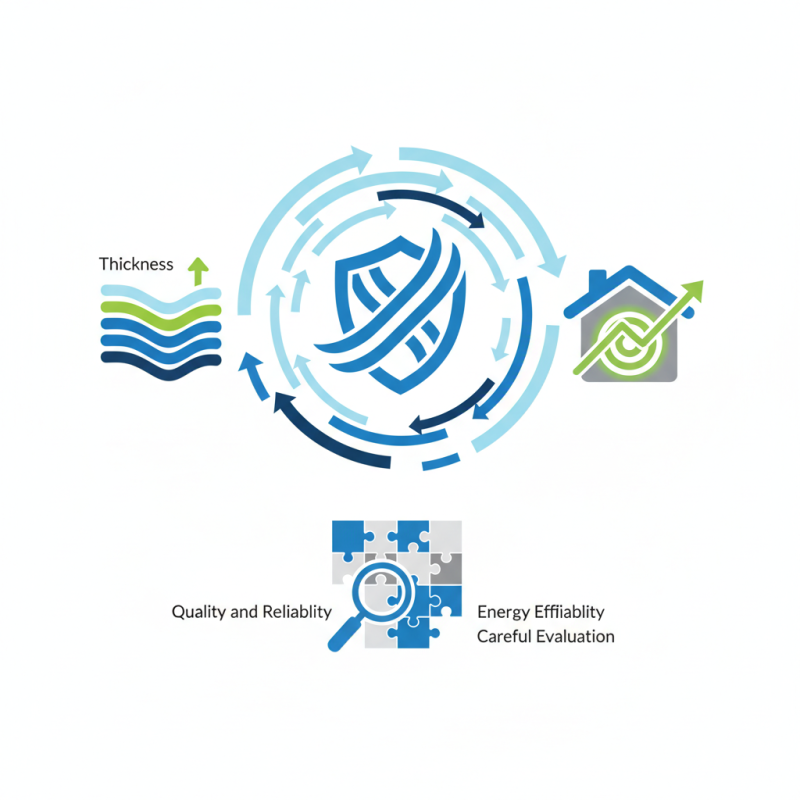
Understanding the nuances of these materials is crucial. Factors such as thickness, density, and application methods impact performance. Global buyers should engage with experts to navigate the complexities. Demand continues to grow, but discerning customers must remain critical. Quality and reliability should always be top priorities when sourcing Evoh Insulation Materials from China.
Overview of Evoh Insulation Materials in China
Evoh insulation materials have gained significant traction in China’s construction and packaging industries. The unique chemical composition of ethylene-vinyl alcohol (EVOH) grants it impressive barrier properties against gases and moisture. According to a recent market study, the global demand for biodegradable and eco-friendly insulation solutions is expected to rise by 10% annually. This trend reflects the increasing awareness of sustainability among consumers and builders alike.
In China, local manufacturing capabilities have improved rapidly, offering high-quality Evoh materials at competitive prices. Data from the China Plastics Industry Association indicates that the production of Evoh has substantially increased by 15% over the past three years. Despite this growth, there are challenges. Some manufacturers still produce inconsistent quality. The ongoing need for stringent quality control measures means that regular assessments are essential.
The evolving landscape of insulation technology also raises questions. As innovations emerge, the true sustainability of Evoh remains debated. Reports highlight that while Evoh is recyclable, the actual recycling rates need improvement. Studies show that only 30% of consumers know how to recycle these materials properly. Enhanced public education could boost recycling efforts significantly, aligning with global environmental goals.
Key Benefits of Using Evoh Insulation for Buyers
Evoh insulation materials have become increasingly popular among global buyers. They offer unique benefits that enhance energy efficiency in various applications. One of the key advantages is their excellent barrier properties. This prevents gases and moisture from penetrating the insulation, ensuring superior thermal performance. This characteristic helps maintain stable temperatures in different environments.
In addition, Evoh insulation is known for its lightweight nature. This makes it easy to install and transport. The reduced weight can lower shipping costs, benefiting those involved in construction or manufacturing. A potential drawback, however, is the material's sensitivity to UV light. It can degrade over time if not properly protected. Thus, buyers should consider proper installation techniques and cover materials during usage.
Furthermore, Evoh insulation contributes to sound reduction. Its density helps dampen noise, making it ideal for residential and commercial buildings. However, achieving the perfect balance between soundproofing and thermal performance can be challenging. Potential buyers must assess their specific needs and consult with experts. Doing so ensures the right choice in insulation materials for their projects.
Market Trends and Demands for Evoh Insulation Globally
The demand for EVOH insulation materials is increasing globally. According to a report by MarketsandMarkets, the global market for EVOH is expected to reach $1.2 billion by 2025, driven by varying applications in packaging and construction. A significant factor is its barrier properties, which are crucial in reducing thermal losses. This makes it an ideal choice for energy-efficient building materials.
Regional trends show that Asia-Pacific leads in EVOH consumption. The construction boom in countries like China and India fuels this growth. However, the industry faces challenges such as fluctuating raw material prices and environmental concerns. Innovating recycling methods can address sustainability issues associated with EVOH materials.
Experts highlight that while the market is promising, education on proper use remains limited. Training for manufacturers and contractors could enhance application techniques, ensuring optimal benefits. This gap in knowledge could hinder widespread adoption, despite strong demand. Addressing these gaps is essential for harnessing the full potential of EVOH insulation materials in the global market.
China Best Evoh Insulation Materials for Global Buyers - Market Trends and Demands
| Report Year | Evoh Insulation Demand (Metric Tons) | Market Growth Rate (%) | Global Price (USD per Metric Ton) | Key Applications |
| 2020 | 150,000 | 5.0 | 2,500 | Construction, Automotive, Packaging |
| 2021 | 160,000 | 6.0 | 2,550 | Consumer Goods, Electronics |
| 2022 | 175,000 | 7.5 | 2,600 | Aerospace, Pharmaceuticals |
| 2023 | 190,000 | 8.0 | 2,650 | Insulation, Packaging |
Leading Chinese Manufacturers of Evoh Insulation Materials
China is becoming a key player in the global market for EVOH insulation materials. The industry is driven by the rising demand for energy-efficient building solutions. According to a recent report, the market for thermal insulation materials is projected to grow at a CAGR of 8.5% from 2021 to 2026. This growth reflects the accelerating emphasis on sustainable construction practices.
Leading manufacturers in China are increasingly focusing on innovation. Many companies invest heavily in research and development to improve product performance. They aim to enhance the thermal resistance and chemical properties of EVOH materials. This commitment to quality is crucial, as the right insulation can significantly impact energy efficiency in buildings. For instance, data shows that effective insulation can reduce heating and cooling costs by up to 30%.
However, challenges remain. The market is still fragmented, with varying standards and quality levels among manufacturers. Buyers seeking reliable products must navigate these complexities carefully. Quality assurance processes are essential. Manufacturers must adhere to rigorous testing and certification, ensuring their products meet international standards. This need for transparency fosters a more trustworthy environment for global buyers.
Applications of Evoh Insulation in Various Industries
EVOH insulation materials have gained traction across various industries due to their superior barrier properties. In the construction sector, they are often employed for energy-efficient thermal insulation. A report from Grand View Research indicates that the global thermal insulation market is expected to reach USD 66.6 billion by 2027, driven by rising energy costs and increasing regulations on building energy efficiency. EVOH materials contribute to this growth with their exceptional resistance to moisture and air infiltration.
In packaging, EVOH is lauded for maintaining product integrity. Its use in food packaging helps prevent spoilage and prolong shelf life. According to the Markets and Markets report, the food packaging segment alone is projected to reach USD 408 billion by 2024. This success stems from EVOH's effectiveness in preserving flavors and aromas while simultaneously being lightweight.
However, it's important to reflect on the sustainability of EVOH. While it boasts many advantages, its recyclability remains a concern. The industry must address the environmental impact of disposal and seek innovative methods for recycling. Balancing performance with eco-friendliness poses a challenge for future developments.
Applications of EVOH Insulation Materials in Various Industries

