Top 5 Benefits of PVC Extrusions for Modern Construction and Design
In contemporary construction and design, materials that offer durability, versatility, and efficiency are paramount. Among the innovative solutions available today, PVC extrusions stand out for their numerous advantages, making them an essential choice for modern architects and builders. The use of PVC extrusions has revolutionized how structures are conceived and realized, paving the way for unique designs and sustainable development.
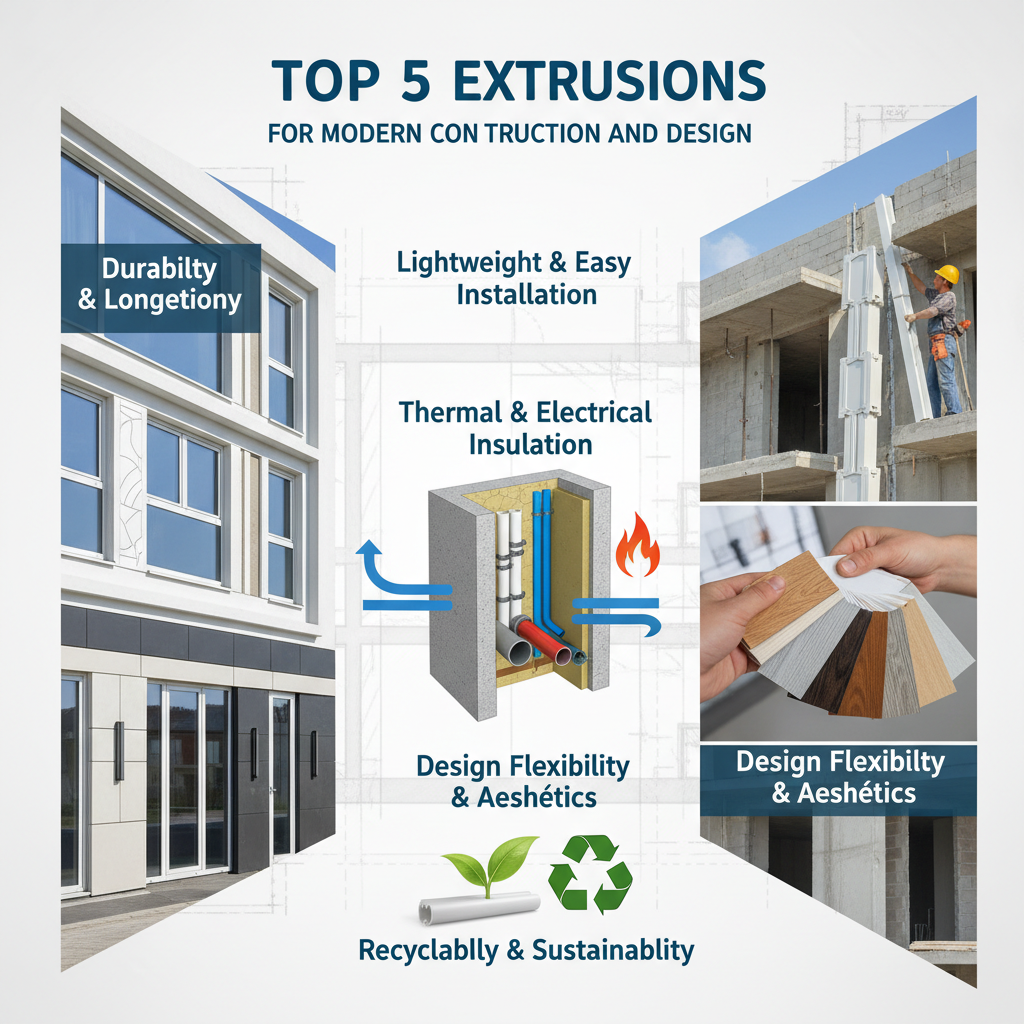
As we delve into the top five benefits of PVC extrusions, we will explore their impact on construction methods, design aesthetics, and overall project efficiency. This exploration will highlight not only the practical advantages of PVC extrusions—such as cost-effectiveness and low maintenance—but also their role in enhancing environmental sustainability. Through this guide, we aim to provide insights into how adopting PVC extrusions can be a game-changer for construction professionals, ensuring that modern buildings are not just functional, but also innovatively designed to meet the demands of the future.
Advantages of PVC Extrusions in Sustainable Building Practices
PVC extrusions offer a range of benefits that significantly enhance sustainable building practices. One of the primary advantages is their durability and low maintenance requirements. Unlike traditional materials that may deteriorate over time, PVC does not rot, corrode, or engage in toxic leaching, making it a resilient choice for long-lasting structures. This longevity reduces the need for replacements and repairs, thereby minimizing resource consumption and waste in the construction process.
Another important aspect of PVC extrusions is their energy efficiency. The material possesses excellent insulating properties, contributing to better thermal regulation within buildings. This can lead to significant energy savings by reducing the demand for heating and cooling systems. Additionally, many PVC extrusions are made from recycled materials, aligning with sustainable practices by repurposing resources and reducing environmental impact. Overall, the use of PVC in modern construction not only supports eco-friendly initiatives but also enhances the efficacy and sustainability of building designs.
Top 5 Benefits of PVC Extrusions for Modern Construction and Design
Cost-Effectiveness: How PVC Extrusions Save Money in Construction
PVC extrusions have become increasingly popular in modern construction and design due to their significant cost-effectiveness. A report from the Vinyl Institute states that using PVC materials can reduce construction costs by up to 20% compared to traditional materials like wood and metal. This reduction is largely attributed to the lower material costs, reduced waste during production, and the ease of installation that PVC offers. With its lightweight nature, PVC allows for quicker handling and installation, ultimately leading to lower labor costs—a crucial factor in budget-constrained projects.
Moreover, PVC's durability and low maintenance requirements contribute to its long-term cost savings. According to a study by the National Association of Home Builders, building materials that require minimal upkeep can save homeowners up to 40% in maintenance costs over a span of 30 years. PVC extrusions are resistant to corrosion, rot, and pests, reducing the need for replacements or repairs over time. This durability not only enhances the lifespan of the construction but also ensures that the initial investment in materials like PVC extrusions pays off in the long run, making them an economically savvy choice for builders and designers alike.
Design Flexibility: Customization Opportunities with PVC Extrusions
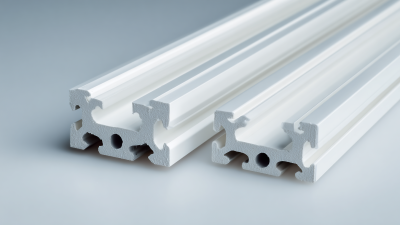
PVC extrusions offer remarkable design flexibility in modern construction and design projects. One of the most significant advantages of using PVC is its inherent adaptability, allowing architects and designers to create customized profiles that meet specific project requirements. This versatility enables the production of a wide range of shapes, sizes, and finishes, catering to various aesthetic and functional needs. Whether it’s window frames, decorative trim, or structural components, PVC extrusions can be tailored to fit any design vision, ensuring that they complement the overall architectural style.
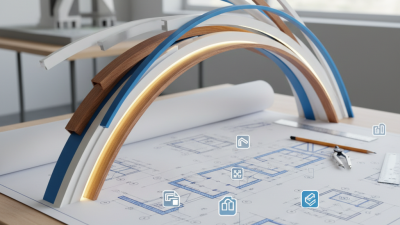
Moreover, the customization opportunities provided by PVC extrusions don’t just stop at shapes and sizes; they extend to color and texture as well. Advanced color-matching and surface treatment technologies allow for the creation of vibrant hues and unique textures that can mimic other materials, such as wood or metal, without compromising durability. This opens the door for innovative design solutions that enhance visual appeal while providing the long-lasting performance expected in modern construction. By leveraging PVC extrusions, designers can push the boundaries of creativity, resulting in striking, functional spaces that reflect individual artistic styles.
Top 5 Benefits of PVC Extrusions for Modern Construction and Design
| Benefit |
Description |
Customization Options |
Applications |
| Design Flexibility |
PVC extrusions allow for complex shapes and designs, enabling architects to explore innovative constructions. |
Variety of colors, textures, and finishes can be applied. |
Windows, doors, and interior fixtures. |
| Cost Efficiency |
Lower material costs compared to traditional materials with similar performance characteristics. |
Custom pricing options based on quantity and specifications. |
Building facades and structural components. |
| Durability |
PVC is resistant to weather, corrosion, and impacts, ensuring long-lasting performance. |
Available in reinforced versions for added strength. |
Exterior cladding and piping systems. |
| Low Maintenance |
Requires minimal upkeep, saving time and costs on maintenance. |
Custom finishes can provide simplified cleaning surfaces. |
Fencing and decking materials. |
| Sustainability |
PVC can be recycled and used in the production of new materials, contributing to green building practices. |
Customizable to meet sustainability standards. |
Eco-friendly building projects. |
Durability and Maintenance: The Long-Term Benefits of PVC in Construction
PVC extrusions are increasingly favored in modern construction and design, primarily due to their impressive durability and low maintenance requirements. According to a study by the Vinyl Institute, PVC materials can last upwards of 50 years when properly maintained, making them a cost-effective investment over the long term. This durability is particularly advantageous in applications exposed to harsh weather conditions, as PVC is resistant to corrosion, rot, and insects, reducing the need for frequent replacements or repairs.
Maintenance is another critical benefit, as PVC extrusions demand minimal upkeep. Research by the American Architectural Manufacturers Association indicates that vinyl products can be cleaned easily with soap and water, while the fading and discoloration commonly associated with other materials is significantly less prominent. This ease of maintenance not only saves time and labor costs but also contributes to a cleaner and more sustainable environment. By opting for PVC, construction professionals can ensure that their projects remain aesthetically pleasing and functional for decades, aligning with modern standards for sustainability and efficiency in design.
Aesthetic Appeal: Enhancing Modern Designs with PVC Extrusions
PVC extrusions have increasingly become a preferred choice in modern construction and design, mainly due to their aesthetic appeal. According to a report by MarketsandMarkets, the global market for PVC extrusions is projected to reach USD 12.6 billion by 2025, driven by the versatility and style they bring to architectural elements. Designers are leveraging PVC’s ability to be customized into various shapes and finishes, facilitating innovative and attractive design options that can align with contemporary aesthetics.
One of the standout features of PVC extrusions is their capability to mimic more expensive materials like wood or metal, allowing architects to achieve luxurious looks at a fraction of the cost. A study from the American Society of Interior Designers indicates that over 70% of designers believe that the aesthetic quality of materials significantly affects their design choices. This belief is shaping the industry, as more professionals opt for PVC extrusions that not only enhance visual appeal but also provide functionality such as insulation and durability. The integration of PVC into modern design is a testament to its ability to balance beauty with practicality, making it a vital component in today’s architectural landscape.