What Are the Benefits of Layflat Polythene Tubing for Packaging?
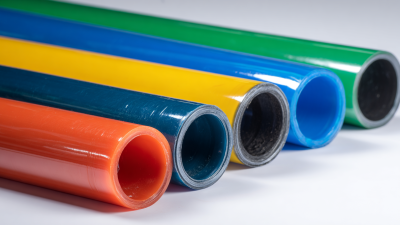
Layflat polythene tubing offers a modern solution for packaging that many businesses overlook. This versatile material has gained traction due to its unique properties. It is easy to store and can be adapted for various products. Companies looking to enhance their packaging methods should consider layflat polythene tubing.
The benefits of layflat polythene tubing extend beyond mere functionality. It is lightweight and durable, providing excellent protection against external elements. This can lead to reduced shipping costs and minimized product damage. Furthermore, the customizable sizes allow for efficient use, reducing waste in packaging.
However, there are challenges to using layflat polythene tubing that companies must reflect upon. Proper sealing techniques are vital to ensure product safety. Inadequate sealing can lead to issues, such as contamination. Businesses must weigh these risks against the advantages to make informed decisions about their packaging needs.
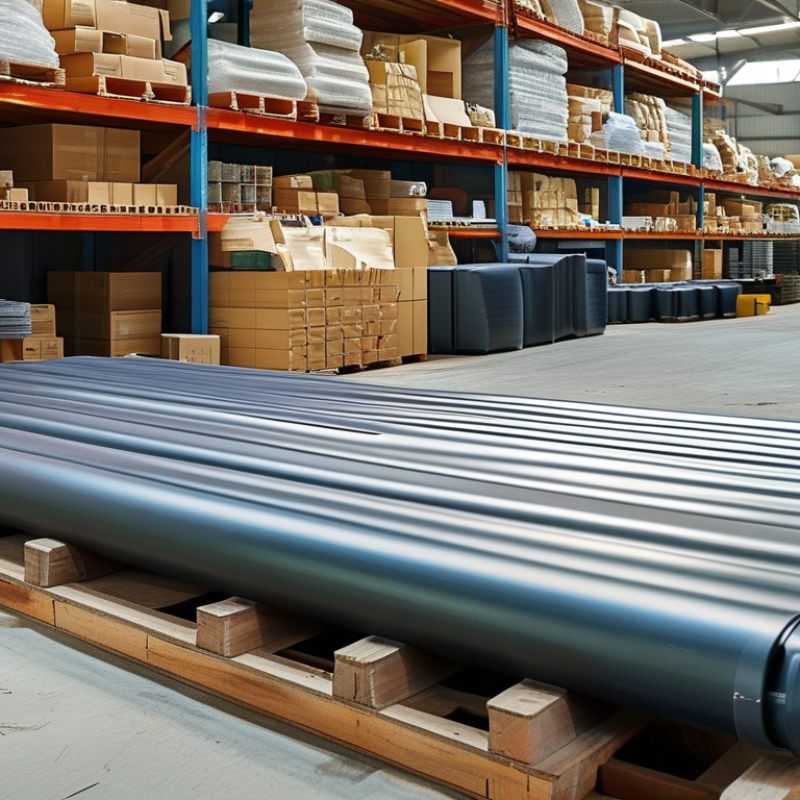
Benefits of Layflat Polythene Tubing: An Overview
Layflat polythene tubing is increasingly preferred in various packaging sectors due to its adaptability and efficiency. This type of tubing serves diverse purposes, from shipping products to protective wrapping. According to a report by Smithers Pira, flexible packaging accounts for approximately 30% of the global packaging market, demonstrating a growing trend where layflat polythene plays a key role.
One of the standout benefits of layflat polythene tubing is its lightweight nature. This feature significantly reduces shipping costs, as lighter packages lower transport expenses. Additionally, the material's resistance to moisture protects items from damage, enhancing product integrity during transit. Research shows that more than 80% of firms reported better product preservation with protective packaging materials.
However, reliance on plastic materials raises sustainability questions. Not all polythene products are recyclable, prompting industry professionals to seek eco-friendlier solutions. The challenge lies in balancing efficiency with environmental responsibility. Continuous innovation in material science is crucial to address these concerns while meeting market demand. The journey toward sustainable packaging requires careful consideration of production processes and materials used.
Enhanced Product Protection with Layflat Polythene Tubing
Layflat polythene tubing offers significant advantages for packaging, especially in enhancing product protection. This type of tubing is versatile and can be custom-sized to fit various products. The smooth surface prevents scratches and abrasions during shipping. Layflat tubing secures items tightly, minimizing movement and reducing the risk of damage.
Moreover, the strength of polythene material provides a reliable barrier against moisture, dust, and dirt. It acts as a shield, keeping products pristine until they reach their destination. Such protective features are crucial for delicate items, including electronics and glassware. However, one must consider that not all packaging solutions are one-size-fits-all.
It's essential to assess the specific needs of your products. Some users may find sealing challenges with layflat tubing, especially if the sealing method is inappropriate. It requires careful consideration of the package design and materials used. Overall, while layflat polythene tubing has many benefits, it also presents challenges that need thoughtful solutions.
What Are the Benefits of Layflat Polythene Tubing for Packaging? - Enhanced Product Protection with Layflat Polythene Tubing
| Benefit |
Description |
Application |
| Durability |
Layflat polythene tubing offers high resistance to tears and punctures. |
Ideal for shipping fragile items. |
| Versatility |
Available in various sizes and thicknesses for different products. |
Suitable for a wide range of products, from food to electronics. |
| Cost-effectiveness |
Reduces packaging waste and costs due to customizable lengths. |
Useful for bulk packaging solutions. |
| Protection from Elements |
Offers resistance to moisture, dust, and other environmental factors. |
Perfect for outdoor storage and transportation. |
| Easy to Use |
Can be easily sealed with heat or tape for secure packaging. |
Simplifies the packaging process for businesses. |
Cost Efficiency of Layflat Polythene Tubing in Packaging Solutions
Layflat polythene tubing offers significant cost efficiency for businesses in packaging solutions. The production process is streamlined, enabling manufacturers to create tubing in various sizes with minimal waste. According to industry reports, using layflat polythene can reduce packaging costs by up to 30% compared to traditional packaging materials. This reduction is largely due to the ability to store the tubing flat and use it only as needed, minimizing excess inventory and storage requirements.
The versatility of layflat polythene is noteworthy. It can accommodate a wide range of products, from small items to bulk goods. This adaptability means businesses can avoid investing in multiple packaging types. Furthermore, the lightweight nature of polythene leads to lower shipping costs. Studies suggest that lighter packaging can cut transportation expenses by around 15%. However, one must consider the environmental impact of using plastic materials, which raises questions about sustainability in packaging practices.
While layflat polythene tubing demonstrates clear cost benefits, there are considerations for businesses. Companies must assess the balance between cost savings and ecological responsibility. Transitioning to environmentally friendly alternatives may yield long-term benefits. Nonetheless, during the transition, businesses could experience initial increases in costs. Monitoring these changes closely can help formulate effective strategies for sustainable packaging that align with financial objectives.
Environmental Considerations of Using Layflat Polythene Tubing
When considering packaging options, the environmental impact of materials like layflat polythene tubing comes into focus. This type of tubing is often praised for being lightweight and flexible, reducing the energy required for transport. However, many still question its biodegradability. Unlike paper products, layflat polythene does not decompose easily in natural environments. This raises concerns about long-term pollution and waste management.
Recycling is a crucial area to address. Layflat tubing can be recycled, but the processes and facilities vary widely across regions. Consumers must seek local recycling options to ensure effective disposal. There are scenarios where layflat tubing ends up in landfills rather than being recycled, contributing to plastic accumulation in ecosystems. This inconsistency highlights a gap in responsible usage and recycling awareness.
Despite its advantages in protection and versatility, producers and consumers alike must weigh the environmental costs. It is essential to consider innovative, eco-friendly alternatives as the need for sustainable packaging grows. Reflection on current practices can lead to better strategies for using layflat polythene tubing responsibly.
Benefits of Layflat Polythene Tubing for Packaging
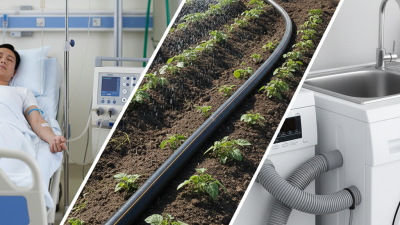
Versatility of Layflat Polythene Tubing Across Various Industries
Layflat polythene tubing is transforming packaging across various industries. Its versatility makes it suitable for food, medical supplies, and consumer goods. According to a report by Smithers Pira, the flexible packaging market is set to grow by 4.2% annually, highlighting the importance of such materials. Layflat tubing can be used for packaging items of differing shapes and sizes, adjusting to meet unique customer needs.
In the food sector, layflat tubing ensures freshness. The material is impermeable to moisture and air. This significantly reduces spoilage rates. A study by the National Institute of Health found that proper packaging can extend shelf life by up to 50%. However, improper sealing can negate these benefits, leading to waste. The challenge lies in balancing efficiency with environmental sustainability.
The medical industry also benefits greatly from layflat tubing. It is typically used to package sterile supplies. Ensuring a sterile barrier is crucial in this field. Reports indicate that improper packaging can lead to contamination rates exceeding 20%. This emphasizes the need for high reliability in packaging solutions. Despite its advantages, the industry's shift towards more sustainable materials raises questions about the longevity of traditional plastics. There is a need for continuous improvement to align packaging practices with ecological goals.