2026 Top UV Flatbed Printer Buying Guide for Global Buyers?
In recent years, the UV Flatbed Printer has gained immense popularity among businesses worldwide. This choice is driven by the growing need for high-quality printing across various materials. As buyers consider their options for 2026, it's essential to understand the different features and benefits these printers offer.
Many buyers may struggle with choosing the right model. Factors such as print speed, material compatibility, and resolution can make the decision overwhelming. Balancing these elements is crucial for achieving optimal results. Researching reputable brands and reading reviews from experts can help simplify this process.
Investing in a UV Flatbed Printer is a significant commitment. Buyers need to evaluate their specific needs and budget constraints. Making informed choices ensures long-term satisfaction with the product. As the market evolves, staying updated on technological advancements will also be beneficial. Engaging with industry professionals can enhance understanding and guide buyers toward the best options.
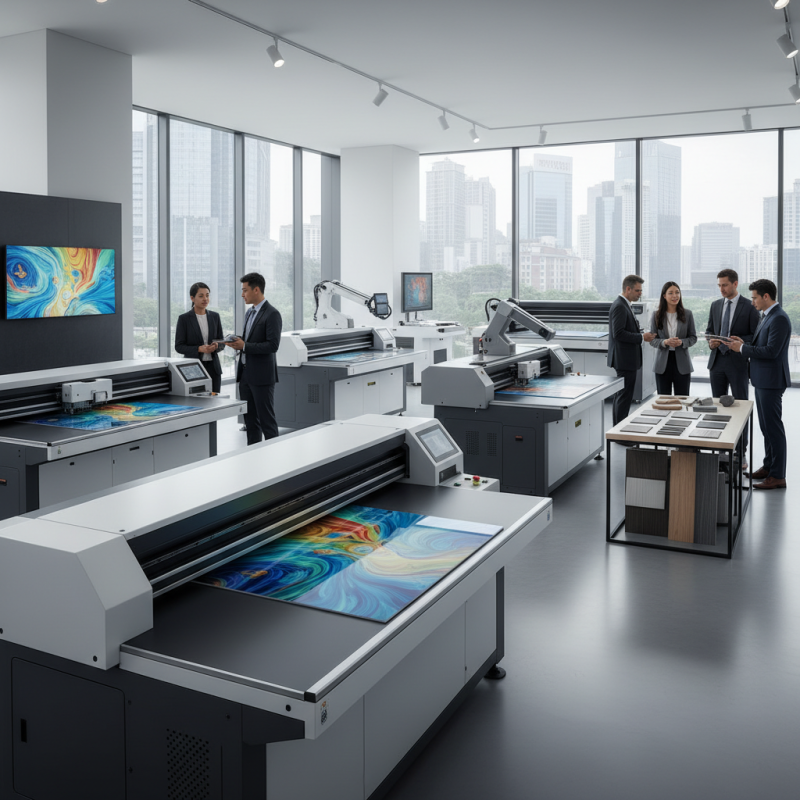
Essential Features to Consider When Choosing a UV Flatbed Printer
When selecting a UV flatbed printer, several essential features should guide your decision. Print quality is paramount. High resolution enhances detail and clarity, making vibrant images stand out. According to the Smithers Pira report, the global UV printer market is projected to grow significantly, driven by increasing demand for full-color printing on diverse materials.
Another key factor is the printer's versatility in handling various substrates. Choose a model capable of printing on materials like wood, glass, and metal. This flexibility allows businesses to cater to a broader market. Additionally, consider the speed of production. A printer that can deliver high-volume projects efficiently will save time and costs in the long run.
Tips: Always look for models with easy maintenance features. Quick servicing reduces downtime. Ensure you assess the energy consumption of printers. Efficient machines can lead to significant savings over time. Many users overlook the software capabilities. A user-friendly interface can streamline your workflow.
Comparing Leading Brands: Top UV Flatbed Printers of 2026
When exploring the top UV flatbed printers of 2026, understanding brand comparisons is crucial. Each brand offers unique features that cater to different business needs. Some printers excel in speed, while others shine in image quality. It's important to assess what matters most to your operations.
The technology behind UV flatbed printers is evolving rapidly. Look for innovations like enhanced ink adhesion and versatility in media. Not all printers handle varied substrates equally. For instance, surfaces like metal or wood may not yield the same results across different brands.
Additionally, consider the reliability of the machinery. Printing jobs can be disrupted by equipment failures. Regular maintenance is essential, but some brands require more than others. Reflecting on these factors can guide you in selecting the right model for your needs. Finding a balance between cost and performance is key.
Understanding Printing Technologies: How UV Flatbed Printers Work
Understanding UV flatbed printers requires some insight into their technology. These printers utilize ultraviolet (UV) light to cure inks directly onto a substrate. The process begins with a print head that deposits liquid UV inks onto the material. As the ink hits the surface, UV lights immediately cure it, preventing the ink from smudging. This allows for sharp images and text on a variety of materials, including wood, glass, and plastic.
One of the most appealing aspects of UV flatbed printers is their versatility. They can handle rigid substrates as well as flexible materials. However, mastering these machines involves a learning curve. Users need to understand the right settings for different media. Adjusting pressure, speed, and temperature can significantly affect print quality. It’s easy to overlook these details, leading to disappointing results.
Moreover, while UV printing offers faster turnaround times, not every project is suitable for this technology. Some materials may react poorly to UV inks. It’s crucial to conduct tests before committing to larger runs. Buyers should weigh the benefits against potential challenges. Understanding the nuances of UV flatbed printing ensures a more successful experience.
Evaluating Cost-Effectiveness: Budgeting for Your UV Flatbed Printer
When considering a UV flatbed printer, budgeting becomes a key decision-making factor. The initial cost of the printer is just the beginning. Ongoing costs like maintenance, materials, and energy should not be overlooked. These expenses can impact your bottom line significantly over time. It's essential to evaluate the total cost of ownership to understand the real investment.
Tips: Always factor in the cost of supplies. Ink can be a recurring expense that adds up quickly. Look for vendors offering bulk purchase discounts to save on these items. Evaluate energy consumption as well. Some models are more efficient than others, which can lead to long-term savings.
Analyzing cost-effectiveness involves examining your production needs. A higher-priced printer may offer advanced features that enhance productivity. However, if your workload is light, it may not justify the expense. Consider your project volume and the types of materials you will print on. Reflect on your capability to meet demand before making a powerful investment.
2026 UV Flatbed Printer Cost-Effectiveness Comparison
This bar chart represents the cost-effectiveness of various UV flatbed printers in 2026, showcasing the investment required for each model. A lower price indicates better cost-effectiveness for budget-conscious buyers.
Maintenance and Support: Ensuring Longevity of Your Printer Investment
When investing in a UV flatbed printer, maintenance and support play crucial roles in maximizing the lifespan of your equipment. Industry data suggests that proper upkeep can extend the life of a printer by 40%, significantly enhancing return on investment. Regular cleaning, timely part replacements, and consistent software updates can be the difference between optimal performance and costly downtime. In fact, an overwhelming 60% of printer failures stem from neglecting routine maintenance practices.
Professional services and support agreements are essential as well. Many buyers overlook the nuances of post-purchase support, leading to frustration. A solid service plan ensures quick resolutions and minimizes disruptions. According to recent reports, companies that invest in maintenance contracts experience a 30% reduction in unplanned repairs. Understanding the balance between DIY maintenance and professional support can be challenging, yet it directly influences productivity.
The complexities of different printer models can make maintenance a nuanced task. Each design may require specific care methods, which can feel overwhelming. Yet, learning about these requirements can lead to positive outcomes. Engage with resources and communities to gain insights. Over time, the knowledge gathered can help prevent significant issues, ensuring your investment does not become a liability.

