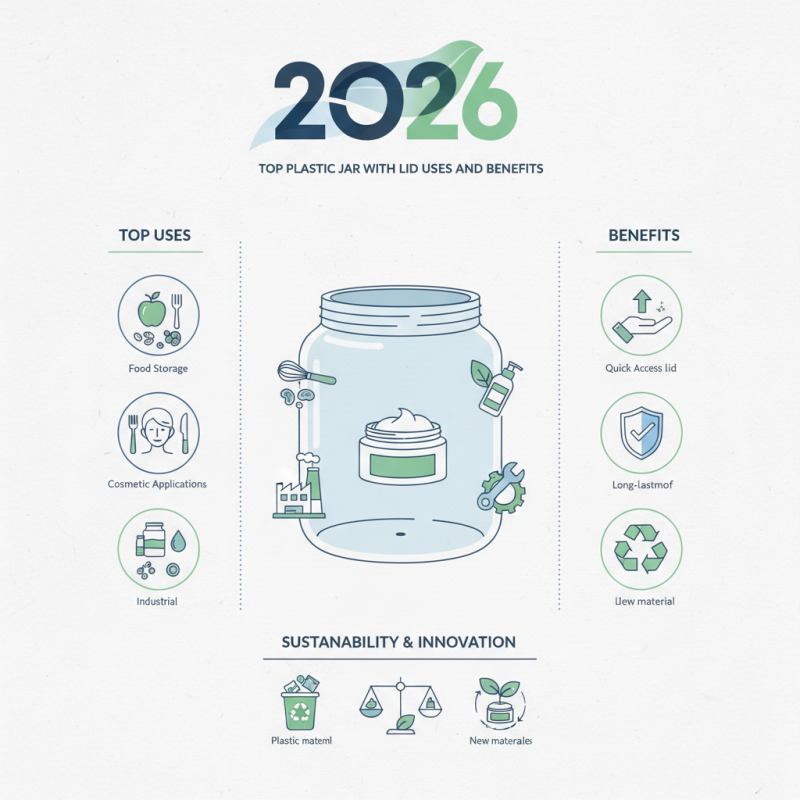
2026 Top Plastic Jar with Lid Uses and Benefits Explained
In the ever-evolving world of packaging, the "Plastic Jar with Lid" stands out as a versatile solution. Industry expert Dr. Emily Sanchez emphasizes, "The right packaging can enhance a product’s appeal." This statement reflects the crucial role that plastic jars play across various sectors. From food storage to cosmetic applications, these jars offer convenience and durability.
The uses of plastic jars extend beyond simple containment. They are often designed for quick access, featuring user-friendly lids. This practical design facilitates easy handling, reducing spillage and waste. Consider a kitchen filled with vibrant spices stored in clear plastic jars. The visual appeal adds to the experience, sparking creativity in cooking.
However, the journey of utilizing plastic jars is not without challenges. Concerns regarding environmental impact persist, urging the industry to innovate responsibly. As we explore the 2026 top uses and benefits, one must reflect on effective recycling and longevity of plastic materials. Balancing convenience and sustainability remains an ongoing conversation.
Overview of Plastic Jars with Lids: Types and Materials
Plastic jars with lids come in various types and materials, serving multiple purposes across different industries. These jars are commonly made from polyethylene (PET) or polypropylene (PP). Data from the Global Packaging Market Report shows that the demand for plastic packaging is expected to grow by 3.5% annually until 2025. This growth indicates a rising preference for plastic jars.
Different shapes and sizes of jars cater to both consumer and industrial needs. From food storage to cosmetic packaging, their versatility is undeniable. A study by Smithers Pira reveals that over 50% of consumers prefer plastic containers for their lightness and durability. They offer excellent barrier properties, keeping contents fresh. However, it’s important to note the environmental concerns surrounding plastic usage.
Recycling plastic jars remains a challenge. It is estimated that only 9% of plastic gets recycled globally. Many consumers still struggle with proper disposal methods. Addressing recycling education could improve the outcome. Users must also reflect on product life cycles. The convenience of plastic jars must be balanced with sustainable practices to ensure a healthier future.
Common Uses of Plastic Jars with Lids in Various Industries
Plastic jars with lids are versatile containers widely used in different industries. In the food sector, they are popular for storing snacks and baking ingredients. The airtight seal keeps contents fresh, which is essential for preserving flavor and texture. Many bakeries rely on these jars for their dry ingredients. They are stackable and save shelf space, though sometimes they can be hard to label.
In the cosmetic industry, plastic jars serve multiple purposes. They hold creams, lotions, and scrubs. Their clarity allows customers to see the product inside, which adds appeal. However, not all formulations fit well with plastic. Some consumers prefer glass for a more premium feel. Still, the lightweight nature of plastic jars makes them a practical choice for packaging.
These containers find their way into medical settings as well. They can store pills and herbal products securely. While convenient, some health facilities face challenges in recycling these jars. It’s crucial to address environmental concerns related to plastic waste. Many industries continue to explore eco-friendly alternatives while maximizing the benefits of plastic jars with lids.
2026 Top Plastic Jar with Lid Uses in Various Industries
This chart illustrates the common uses of plastic jars with lids across various industries in 2026. The food industry leads with the highest volume usage, followed by cosmetics, pharmaceuticals, household products, and gardening, showcasing the versatility of plastic jars in meeting diverse packaging needs.
Benefits of Using Plastic Jars with Lids for Storage and Preservation
Plastic jars with lids have become essential for storage and preservation. They offer numerous benefits over traditional storage solutions. According to industry reports, over 70% of consumers prefer plastic containers for food storage due to their lightweight nature and durability. These jars are ideal for keeping items fresh, reducing spoilage, and making organization easier.
One significant advantage is the airtight seal provided by lids. This feature helps to keep out moisture and air, which can lead to mold and spoilage. A study from the Food Packaging Institute shows that proper sealing can extend the shelf life of food by up to 50%. It's a simple way to make the most of your groceries.
**Tip:** Always check the lid's seal before storing food. A damaged seal can compromise freshness.
Plastic jars come in various sizes and designs, making them versatile. They are used for everything from snacks and spices to crafting materials. However, it's important to consider that not all plastic jars are created equal. Some may contain harmful chemicals that could leach into food. Consumers should look for jars labeled BPA-free to ensure safety.
**Tip:** When in doubt, opt for glass containers as a safer alternative.
Storing items in plastic jars can improve organization. Clear jars allow for easy visibility of contents, but can also lead to over-purchasing. It's worth reflecting on your storage habits. Regularly reassess what you keep to avoid clutter and waste.
2026 Top Plastic Jar with Lid Uses and Benefits Explained
| Use Case | Benefits | Recommended Size | Common Contents |
| Food Storage | Keeps food fresh, reduces waste | 16 oz | Snacks, grains, spices |
| Craft Storage | Organizes supplies, reduces clutter | 32 oz | Beads, threads, tools |
| Pet Food Storage | Keeps pet food fresh and dry | 5 lbs | Dog food, cat food |
| Preserving Fruits and Vegetables | Long-term storage, prevents spoilage | 64 oz | Jam, pickles, sauces |
| DIY Projects | Great for creative projects and storage | Custom sizes | Paint, glues, glitter |
Environmental Considerations in the Production of Plastic Containers
The production of plastic containers raises important environmental questions. Plastic jars with lids are widely used, but their environmental impact cannot be ignored. The creation of these containers often involves harmful processes. Oil extraction and chemical manufacturing contribute to pollution. The energy used in production is significant.
Recycling is crucial. Not all plastics are created equal. Some plastic types are easier to recycle than others. When buying plastic jars, look for recycling symbols. This small step can make a difference. Choosing containers made from recycled material can also lower the carbon footprint.
Tip: Consider alternatives to plastic. Glass jars are a more sustainable option. They can be reused many times without degrading. This reduces waste significantly.
As consumers, we have the power to choose. Every purchase matters. Awareness of sourcing and materials can drive better practices. It's important to stay informed about the brands we support. Each decision shapes the future of our environment.
Future Trends in Plastic Jar Design and Sustainability Solutions
The future of plastic jar design is shifting towards sustainability. Reports indicate that the global market for sustainable packaging is projected to reach $500 billion by 2028. This trend reflects a growing demand for eco-friendly materials. Brands are now prioritizing designs that reduce environmental impact.
Consumer preferences are evolving. A survey revealed that 62% of customers prefer products packaged in recyclable materials. Many manufacturers are exploring bioplastics and recycled materials. These solutions offer a practical way to lessen waste. However, ongoing challenges in recycling processes remain. Flaws exist in collection and sorting systems that can hinder progress.
Tips for sustainable practices include exploring refillable jars. Refills can significantly reduce waste and promote reuse. Additionally, educate consumers on proper recycling methods. Many still lack knowledge on how to dispose of plastic jars correctly. Eventually, addressing these gaps will help push towards a more sustainable future. The journey towards a green design may be imperfect, but every step counts.

